Precision Flavor Engineering
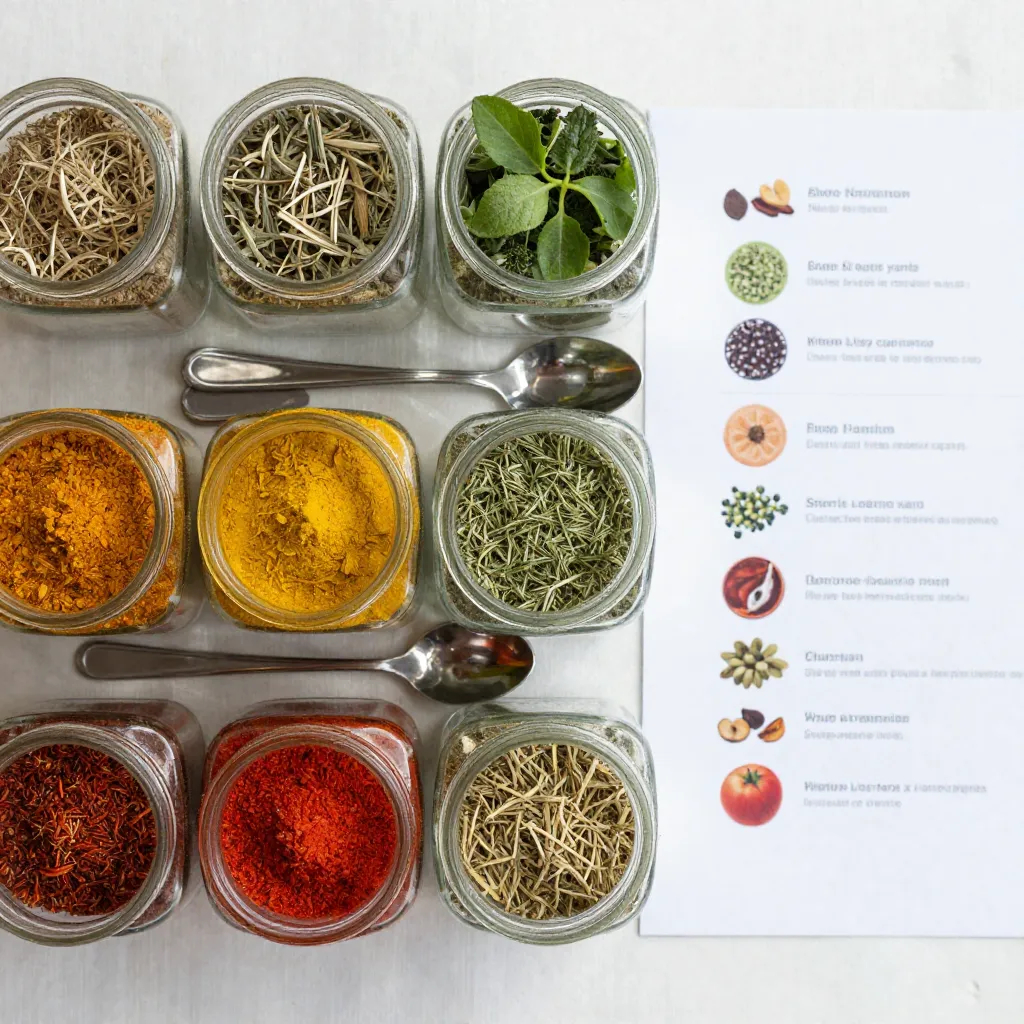
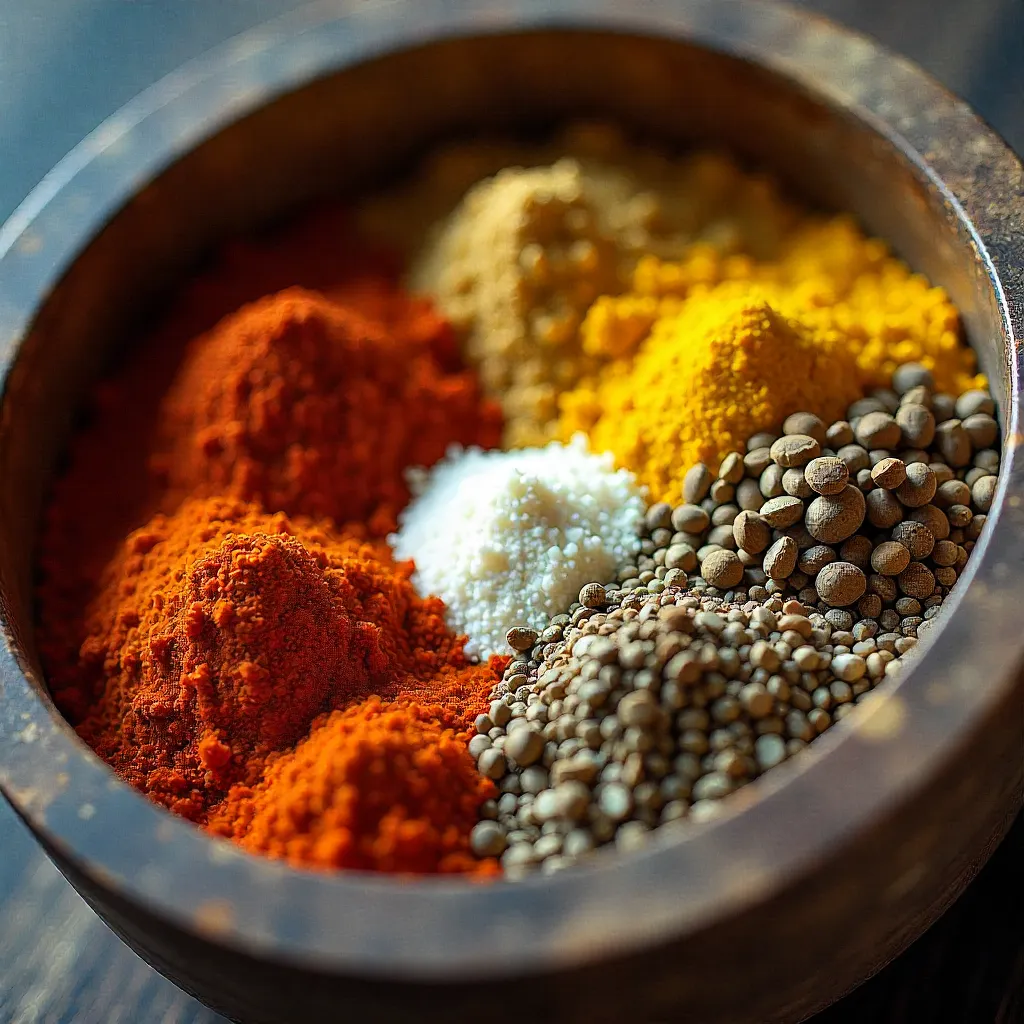
Spice blending is both art and science. Each combination follows principles of aromatic volatility, heat distribution, and flavor layering. Our approach treats spices as molecular compounds, each with distinct properties that interact in predictable ways.
Understanding these interactions allows for precise control over the final flavor profile. Whether seeking heat, sweetness, bitterness, or umami, the right combination creates harmony in every dish.
Aromatic Volatility & Shelf Stability
Heat Dynamics
Different spices release their heat at varying temperatures. Understanding these thresholds ensures optimal flavor extraction during cooking.
Aromatic Radius
Each spice blend has a measurable aromatic radius—the distance at which its scent becomes perceptible. This property influences how flavors develop in dishes.
Molecular Stability
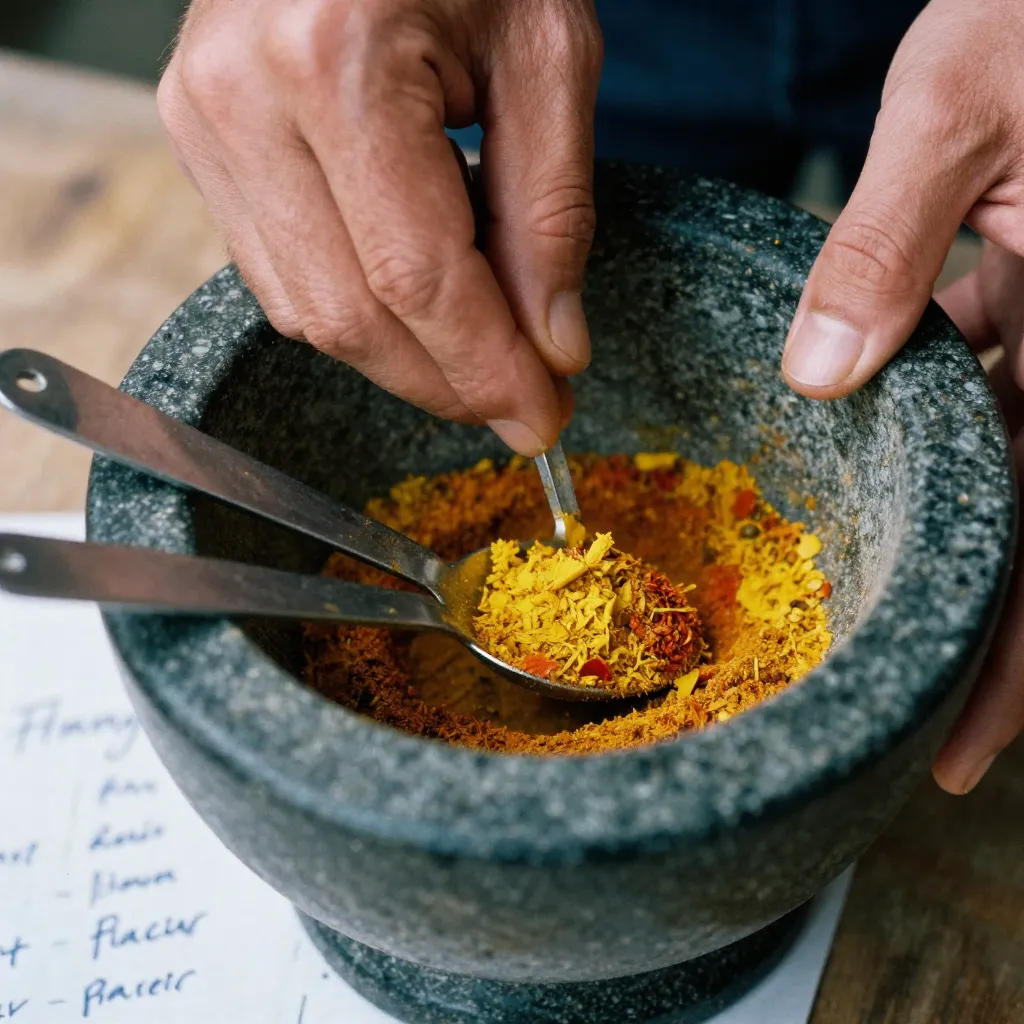
Proper storage and blending techniques preserve volatile compounds. This ensures consistent flavor profiles over time.
The Blending Process
Analysis
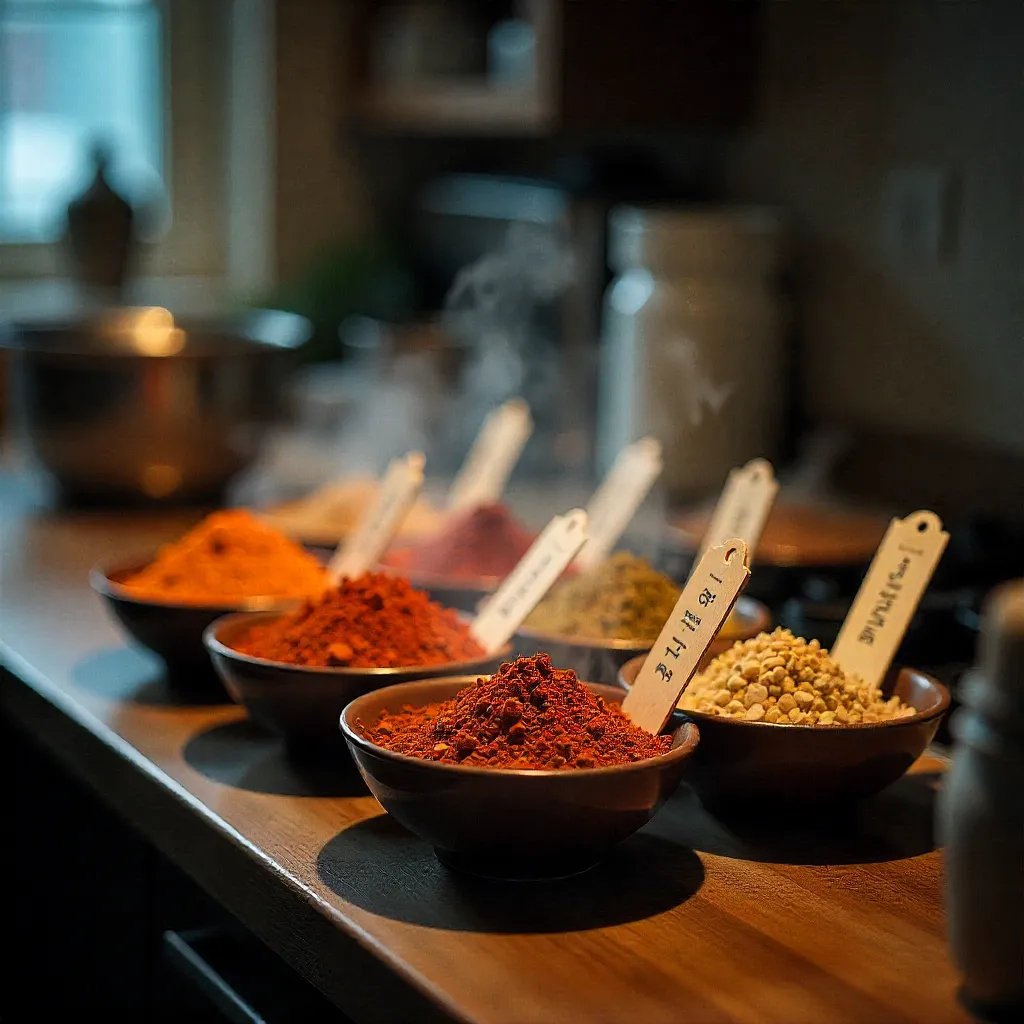
Each spice is evaluated for its primary flavor notes, heat level, and aromatic properties. This data informs the blending strategy.
Proportioning
Precise ratios are calculated based on desired outcomes. Small adjustments create significant differences in the final profile.
Integration
Spices are combined using techniques that preserve their individual characteristics while creating unified flavor experiences.
Application Techniques

Different cooking methods require different spice applications. Dry heat intensifies certain compounds, while oil-based infusions extract others. Understanding these principles enables optimal flavor development.
Temperature control is crucial. Some spices benefit from gentle warming, while others require brief high-heat exposure to release their full potential. Timing and technique work together to achieve desired results.